In January, my sister was driving on California State Route 17 and got rear-ended. In case you don’t know Highway 17, between Santa Cruz and San Jose, it’s a gorgeous scenic route, but with narrow lanes, sharp bends, blind curves, heavy traffic, and seasonal threats of rain and fire. Whenever I drive it, I enjoy the redwoods and cool mountain air, but I must gather my wits and drive as if my life depends on it.
It was rainy that morning, and a van had crashed into the side rail, blocking her lane. She avoided hitting it, but another car crashed into her Prius. Long story short: her car was totaled.
She wasn’t injured, what a relief. But the aftermath of any car wreck is difficult. I know from my own experience. Over 20 years ago in California, my first car, a Honda Civic, got totaled. A friend was driving it and we got hit entering a freeway on-ramp. It was late at night, about an hour from home. I can’t recall details, but my car was towed and, uninjured, we somehow left the scene.
The next day, I found my car at a tow lot, crumpled and beyond repair. I emptied the glove compartment and trunk. I sat in the driver’s seat for a moment. I took one last look at the car that I’d driven for a decade. How did I get to the tow lot by myself? Did my insurance coverage include a rental car? All I remember is driving away, sobbing as if a family member had died.
I’m not even into cars. I liked my car, but it was basic, functional, nothing extraordinary. I wasn’t crying over its Blue Book value or it’s being some hand-picked dream car. But maybe I felt emotionally close to my car because, like a living thing, it could move. And it moved me from place to place. In that Civic I learned to drive in Los Angeles traffic and then journeyed to a new life in Berkeley. It was my car in college, in law school. It gave me independence. It wasn’t a shared family car; it was mine. Nowadays, I’m not into driving, but back then I liked the solitude and freedom inside my automobile bubble, listening to NPR or just daydreaming, moving with purpose from point A to point B.
Bidding farewell to my car was about more than the car itself. I was symbolically closing the chapter on the years that I’d spent driving it. Maybe that’s what’s hard about goodbyes. You feel as if you’re terminating a part of yourself.
Little Goodbyes
During my first year of teacher training in 2010, I was apprenticing with my training teacher, Louie Ettling, in one of her weekly classes. One evening, she called me several minutes before class. She’d gotten rear-ended and asked me to take over until she arrived.
After class, we chatted about her accident. In the rear-view mirror, she saw someone approaching, fast, and was able to brace herself. She was uninjured, but her car was too damaged to be worth fixing.
I remember Louie’s car, a Honda Civic almost two decades old. I once accompanied her to retrieve that car from an auto detailing shop. Every three or four years, she’d get her car professionally cleaned, inside and out, seats, carpets, everything. Auto detailing is pricey, but Louie was willing to invest in its care. It didn’t matter whether her car was new or luxury or not; she took care of it. In retrospect, I’m reminded of the new floral arrangement that would arrive every week at her studio, an oasis off the beaten path. Not some banal, funereal bouquet, but an artsy-cool creation by an indie florist. A spotless car, fresh flowers at the studio—they somehow make a difference, don’t they? My best yoga teachers taught me about more than poses, but I digress.
I told Louie about my own experience with a totaled car, how upset I was, seeing the demise of my trusty first car. She agreed that there’s something about a car that makes it real to us; it’s dynamic, like an animal.
“These little goodbyes,” she said, “they’re like training. We must get used to them. They prepare us for the big goodbyes.”
“Yes,” I said, aware that I’d faced only a few big goodbyes so far. The year before, I grieved over the death of my longtime kitty companion; but I had my family and friends; I had my health.
Louie continued, “And then there’s the biggest goodbye, when we have to leave it all, the whole kaboodle.”
My Current Car
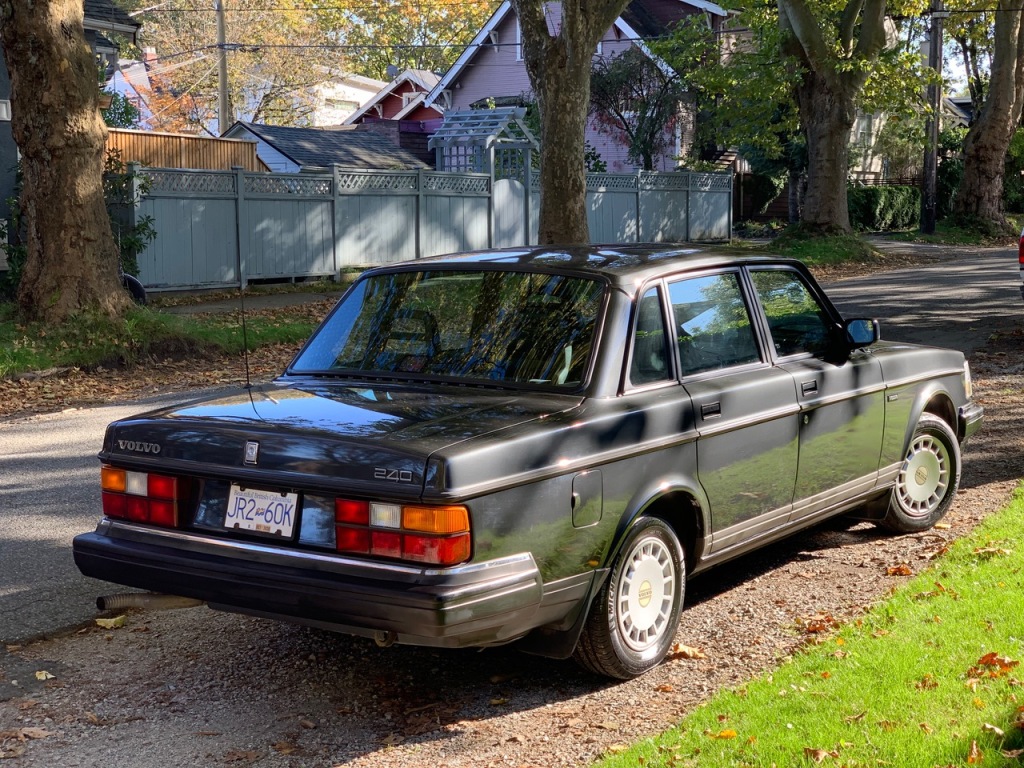
My current car is a 1992 Volvo 240, which I bought in 2019 from a retiree in Richmond who collects vintage cars, mostly Mercedes. I had mentioned to my partner that I liked the aesthetics of old Volvos, boxy yet slim, solid as a tank, retro cool. Suddenly I found myself checking out Volvo 240s that he’d found for me around Vancouver.
The car was in mint condition, with only about 81,200 kilometers or 50,500 miles on the odometer. The owner had collector plates and recommended my applying for them, which I did! Nowadays, I rarely drive, especially post pandemic, since I split my teaching between in-person and online classes. (My odometer reading is still low at 83,000 km / 51,600 mi!) Nevertheless, if my Volvo 240 ever gets destroyed—or if I must sell or otherwise let it go—I’ll surely feel sad and nostalgic. Again, for more than the car itself, but for its association with this chapter of my life.
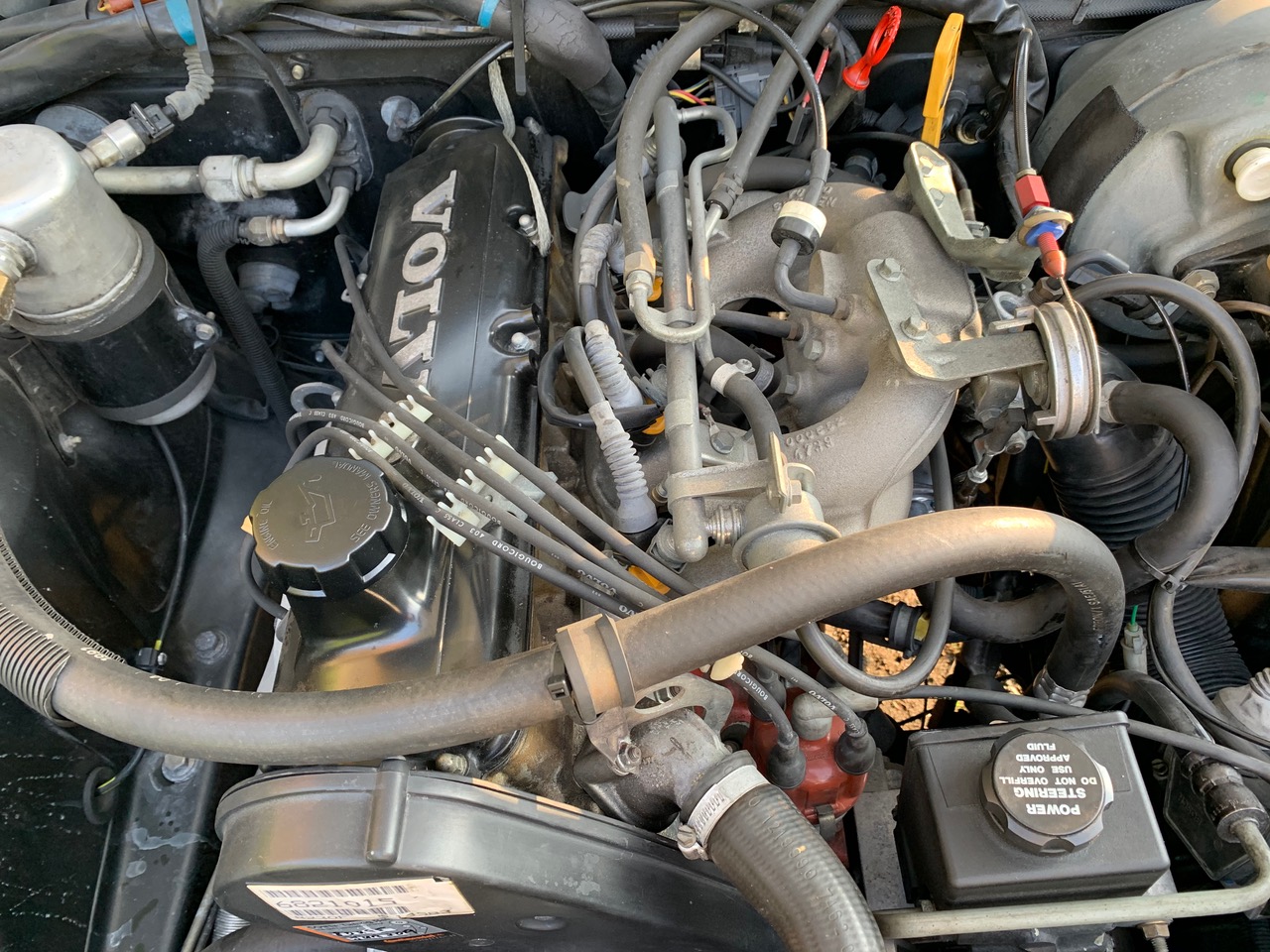
Images: 1992 Volvo 240, Kitsilano, Vancouver, October 2019, Luci Yamamoto.


 Yoga Spy
Leave a Comment