
The sky was grey and cloudy when I awoke in Kamakura. It was Sunday morning. I was traveling solo in April. The day before, my twin sister and teen niece flew home to California. We had a blast in Tokyo and Nikko. After ten nights in close quarters—three futons almost side by side in compact Japanese accommodations—my orderly solitude felt both luxurious and strange.
Kamakura is a seaside city known for its ancient Buddhist temples and Shinto shrines. I arrived on Saturday midday and walked around all afternoon. While impressed by the historic sites, non-chain shops, and picturesque landscapes, I was drained by the crush of tourists.
The next morning, I targeted a relatively obscure temple. I’d visited enough grand monuments, engulfed by onlookers. On one hand, rain was a blessing. Few pedestrians were out and about—and those I saw were nihonjin (native Japanese). Partway to my destination, however, I was soaked. I gave up and turned back.
Still early, streets remained empty, shops closed. I headed toward the main road, taking a shortcut down a random alley.
Suddenly I spied a shop with door ajar.

I surveyed the window display of retro knickknacks. A row of animal figurines caught my eye. They were doing yoga poses!
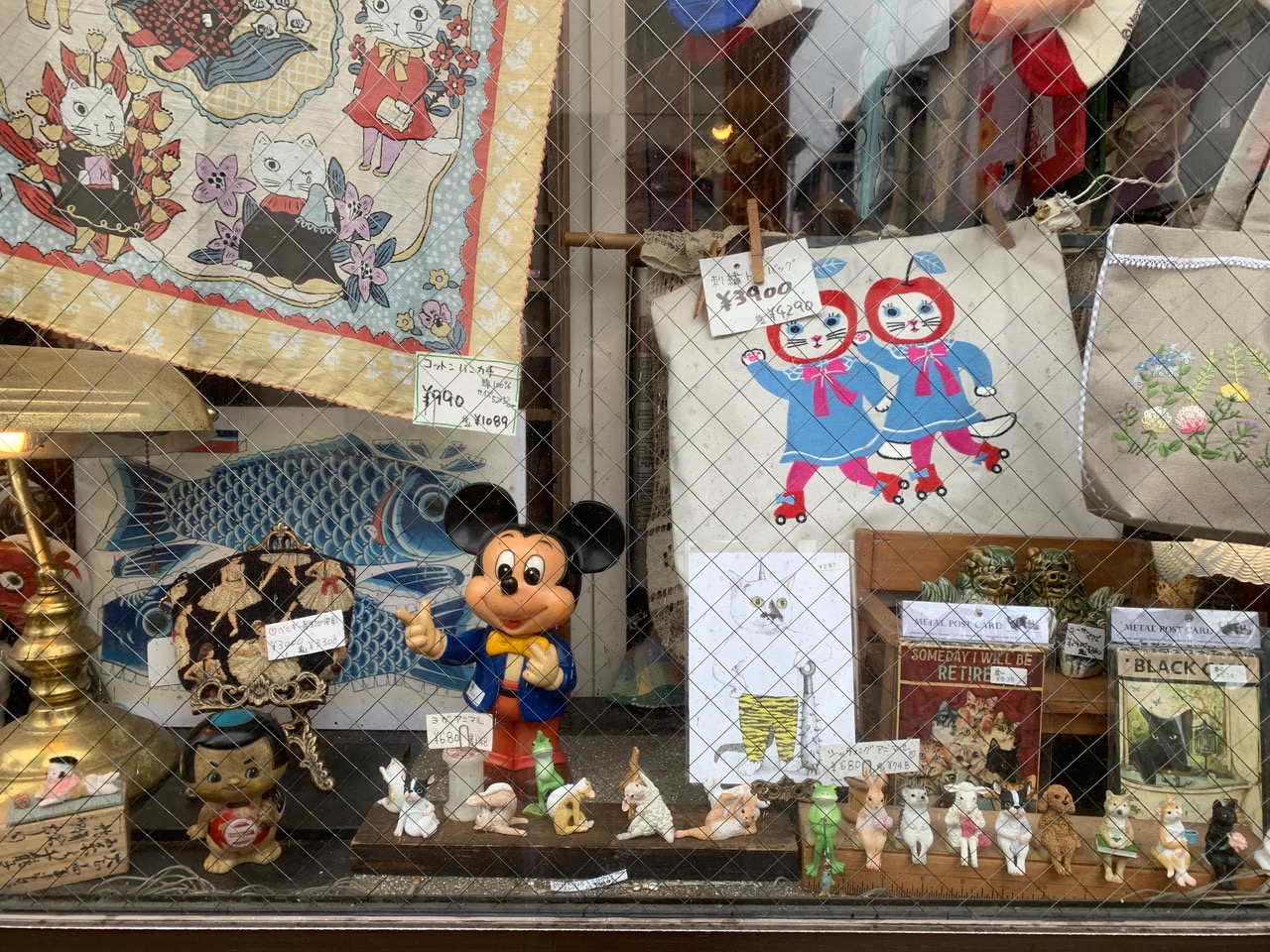
The shopkeeper was an older man, dressed simply, but with unmistakable Japanese style. I asked about the animals in the window. Combining my rudimentary Japanese and his rudimentary English, we understood each other no problem.
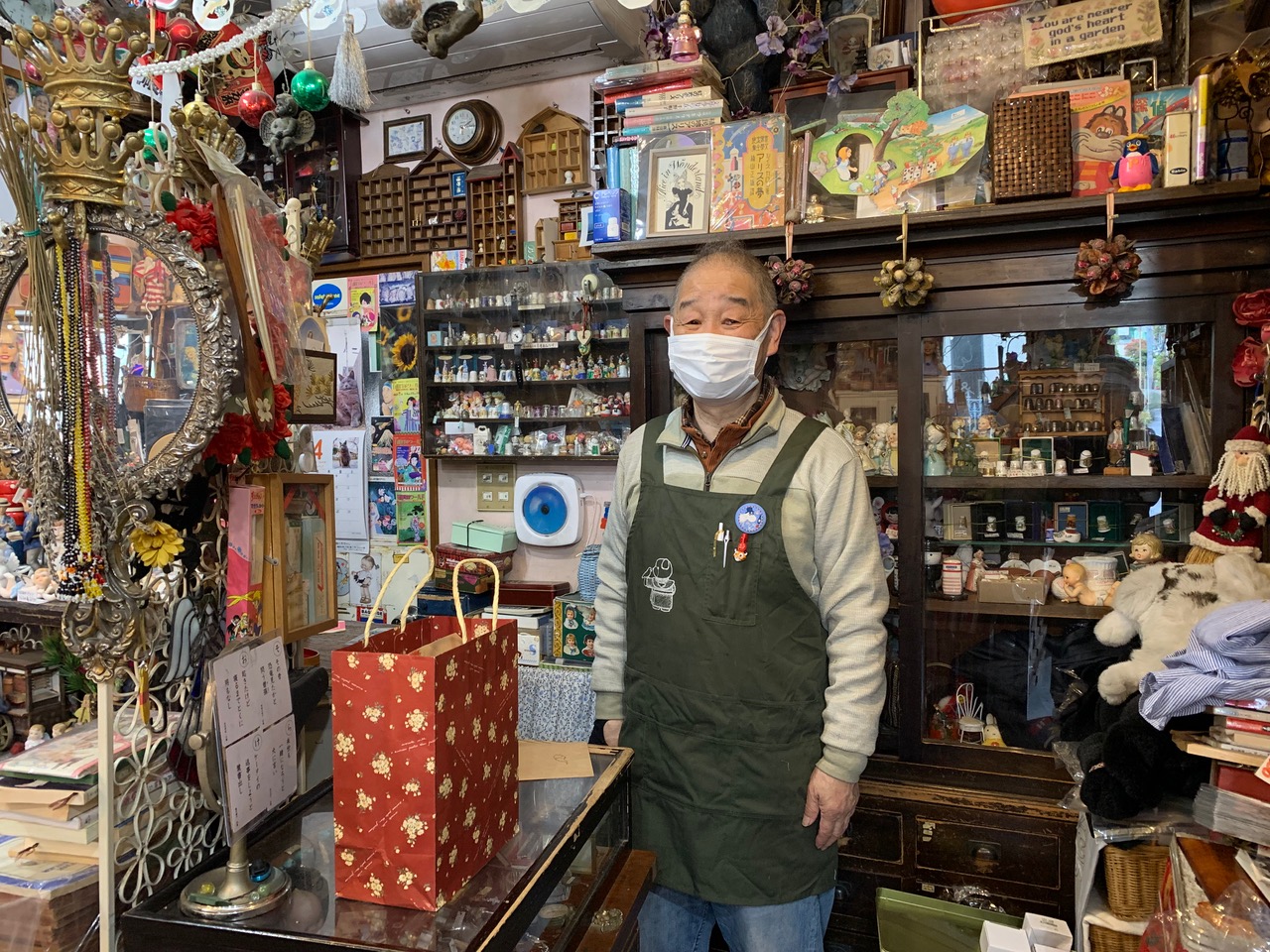
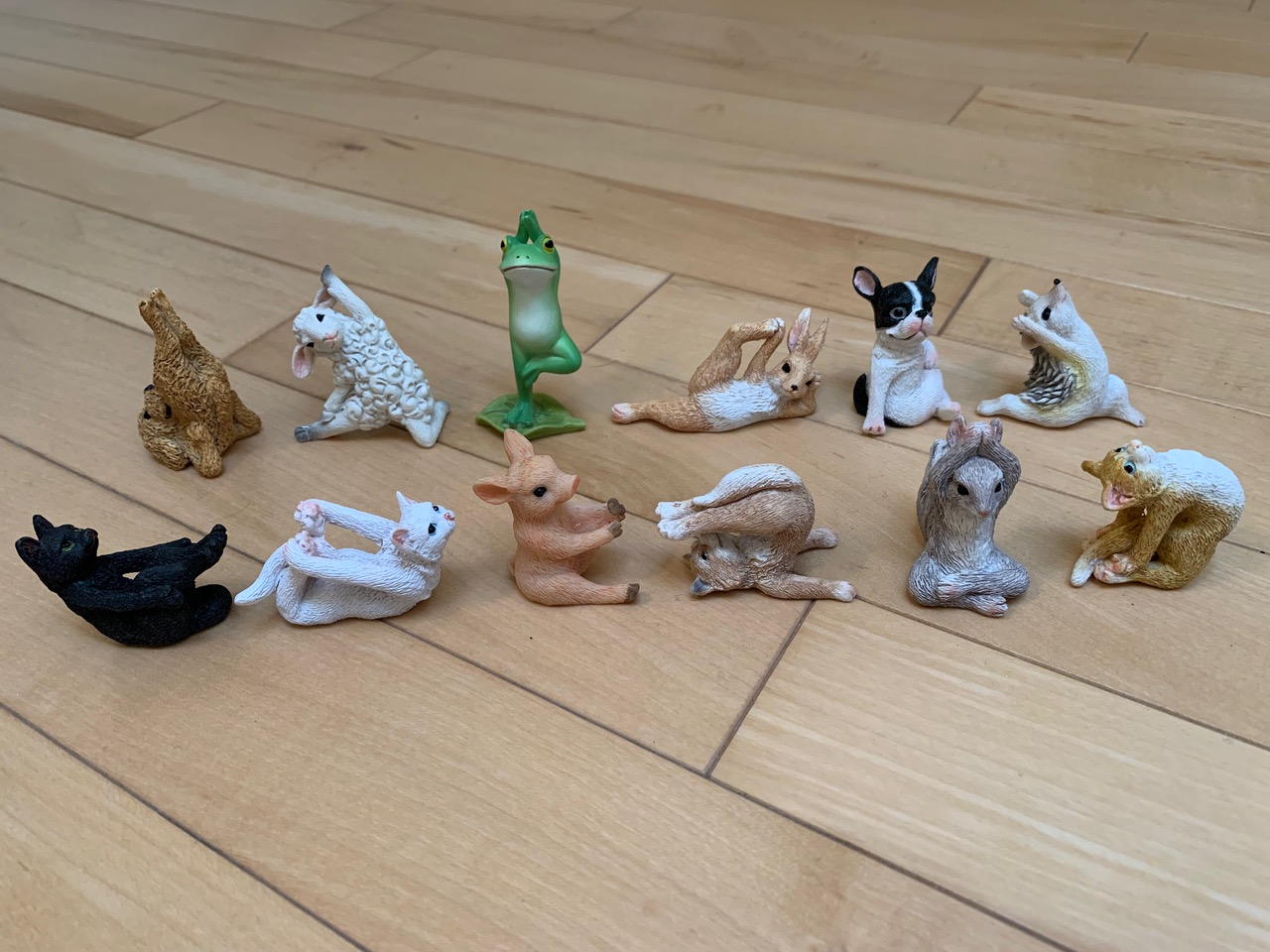
He pointed to a glass case inside the shop. It contained the full set. I counted eleven. Per animal, the price was 680 yen for locals, 748 yen for foreigners.
The shopkeeper offered me the locals’ rate for the set, which comprised twelve animals. (In the dim morning light, I missed the black cat doing Navasana.) At US$57, the set wouldn’t break the bank. But I’d sworn off buying too much iranai mono (or iranmono), a colloquialism used by Hawaii Japanese, which translates to “don’t-need things”—unnecessary things; little things we want, but don’t need. (Iranmono often converges with kawaii mono (cute things)—and Japan is the mecca for all things kawaii.)
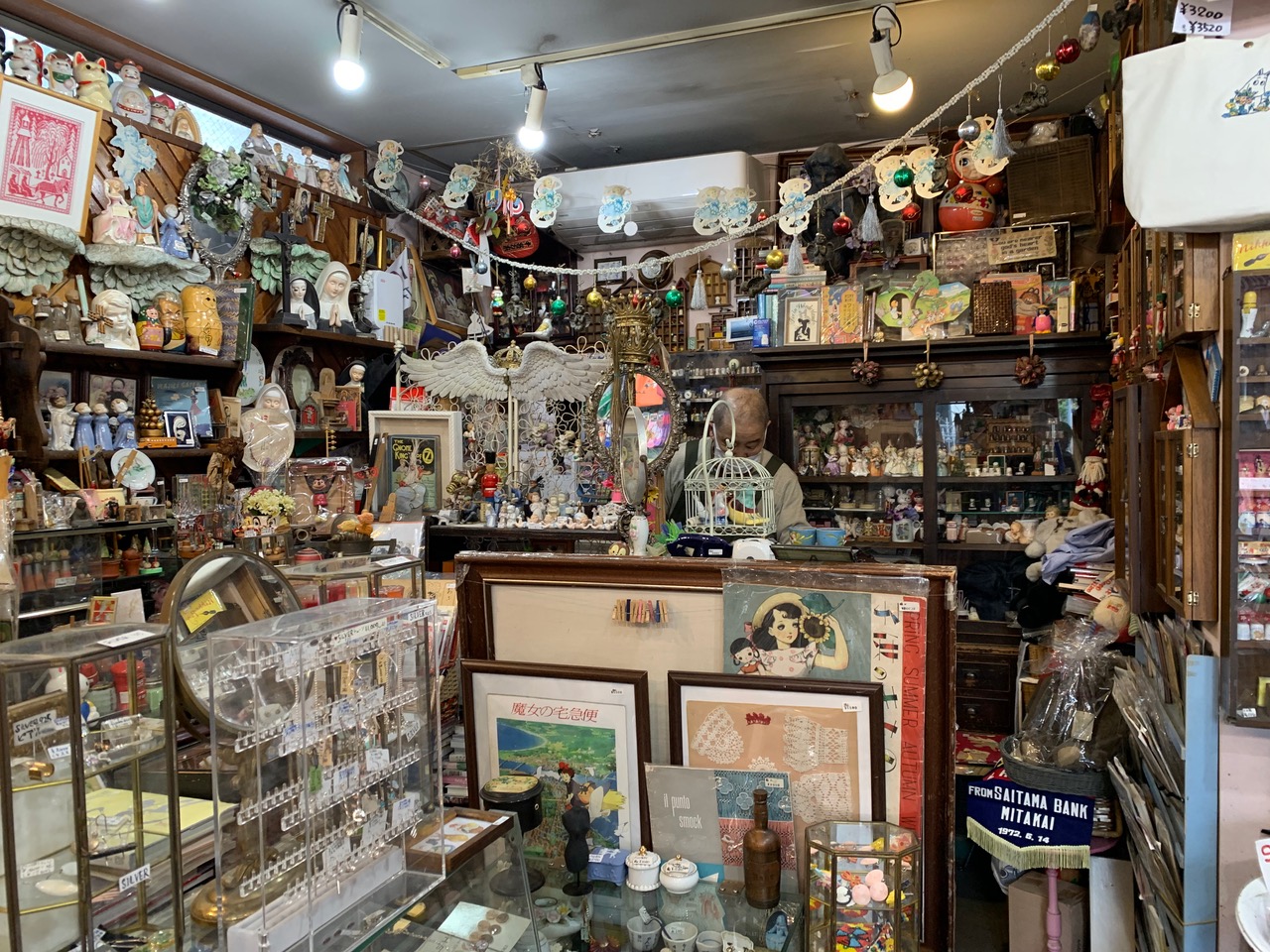
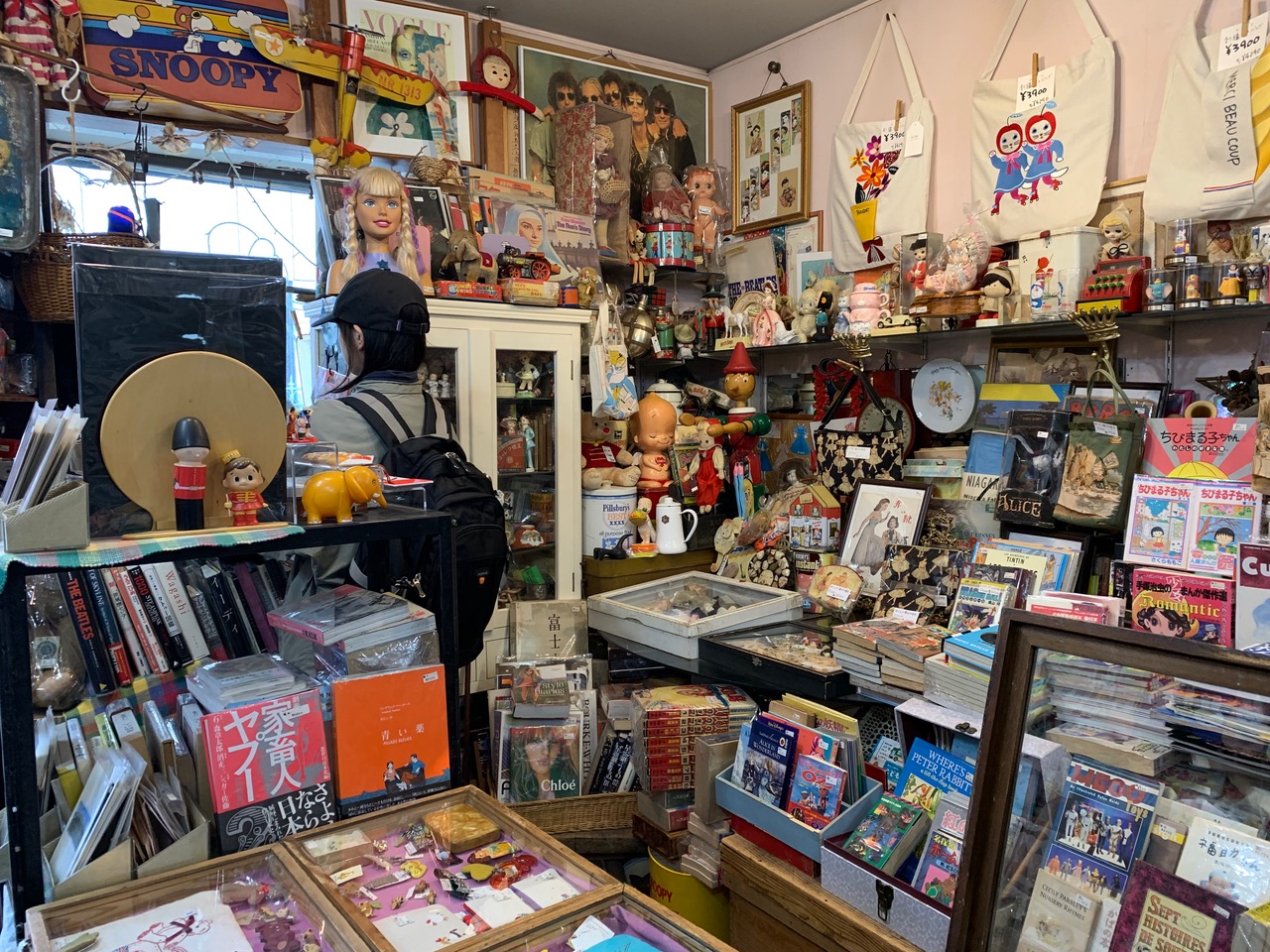
The shop, Mom & Pop, was crammed with vintage/antique/nostalgia items, but nevertheless neat as a pin. I could’ve spent an hour rifling through the vast collection. Everything was authentic and unique. Did I stumble into a Wes Anderson movie set, whimsical as a storybook, perfect in every detail?
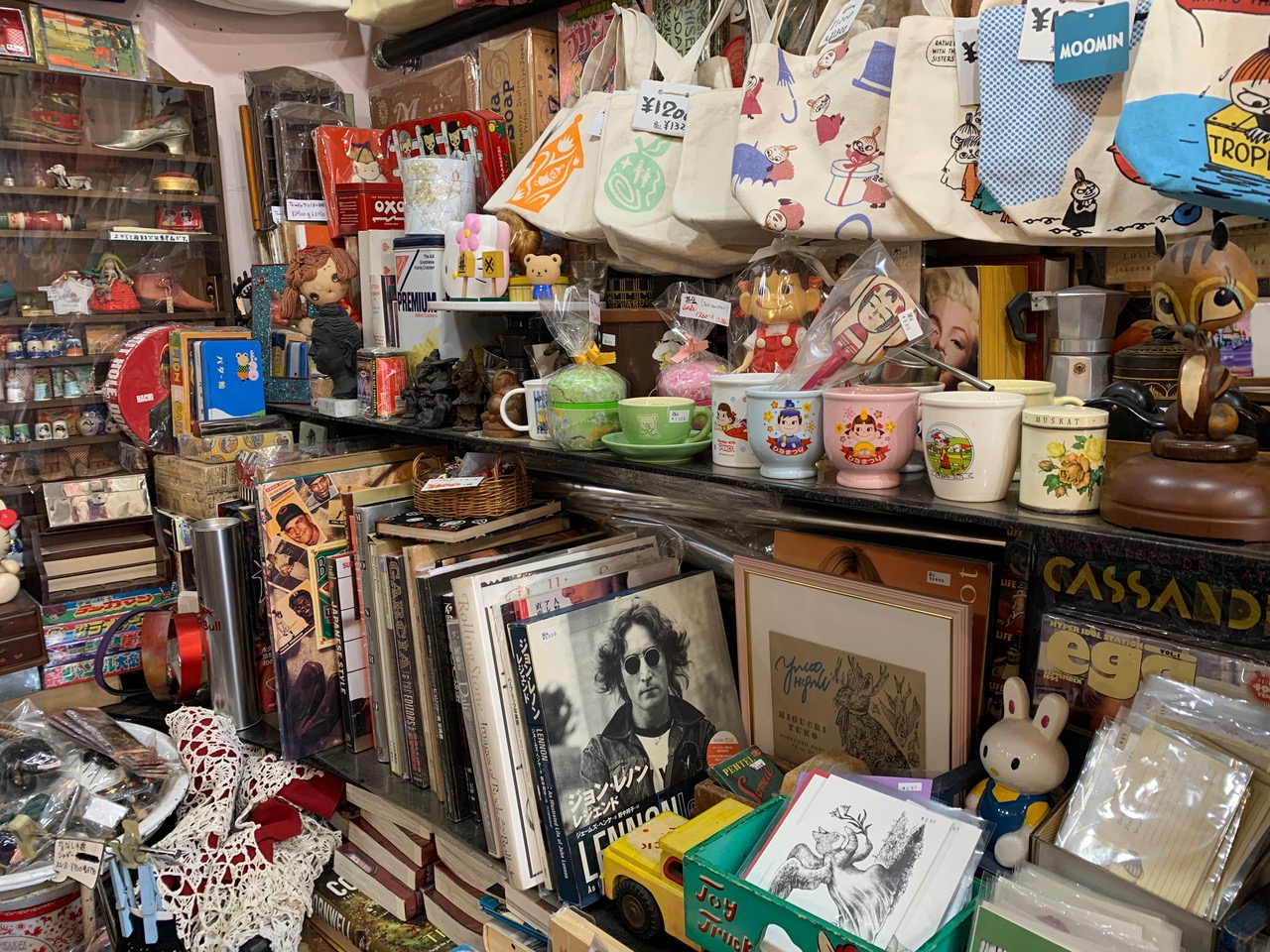
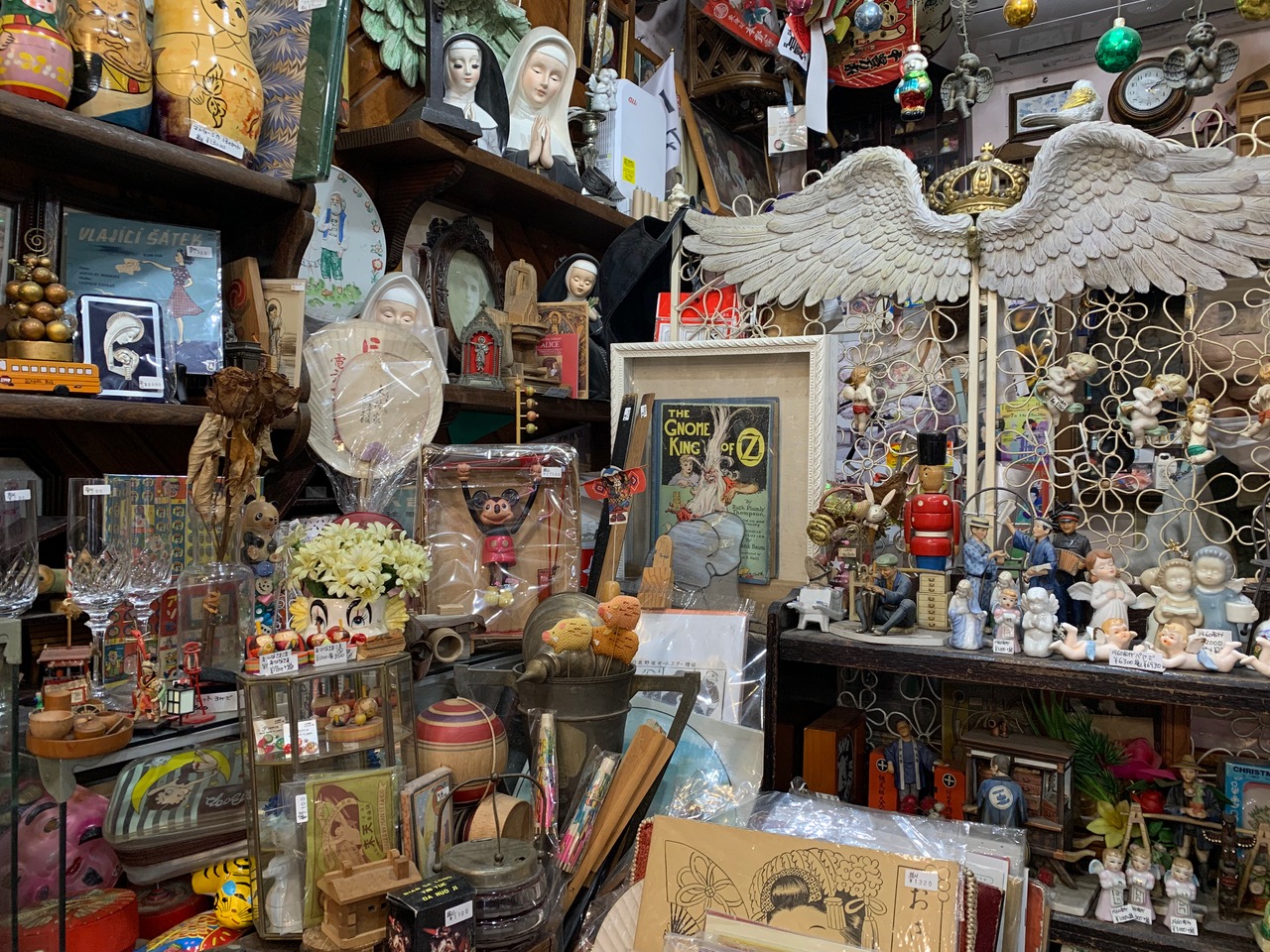
I gazed at the animals again. The frog standing in Vrksasana was especially appealing. But I couldn’t get just one. Or three. Or five.
It was all or nothing.
“Okay,” I said, “Hai, minnasan kaimasu.” Yes, I’ll take all of them! (You know how it goes traveling far from home. You get swept up in the moment.)
While waiting for him to pack my purchase, I browsed. I found a great enamel pin: arched black cat atop piano keyboard. No, I told myself. Enough iranmono for today.
After a while, I wondered why he was taking so long. He was still behind the counter, doing this or that with my purchase. But I didn’t mind. Only on vacation do I putter around with true leisure.
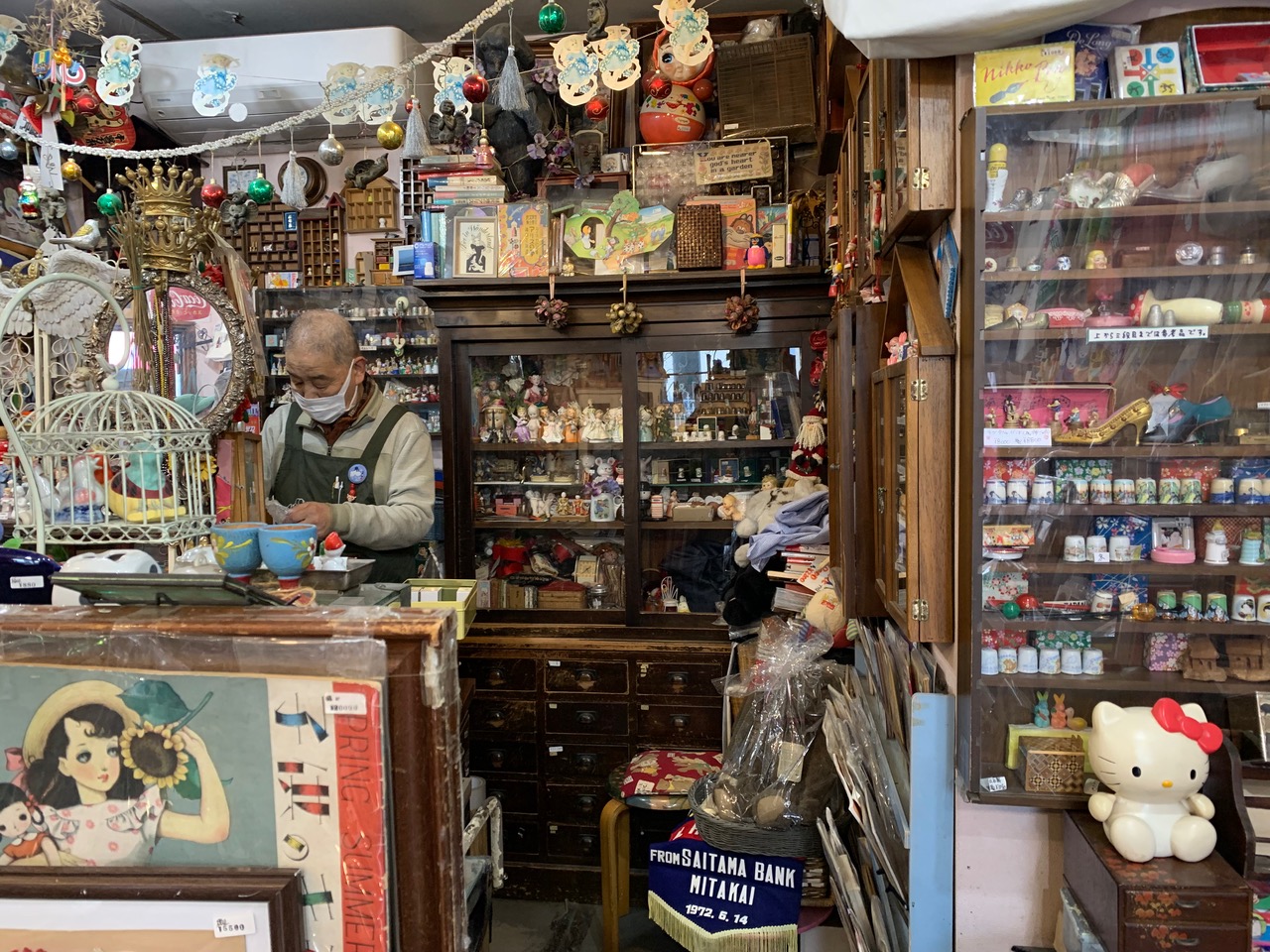
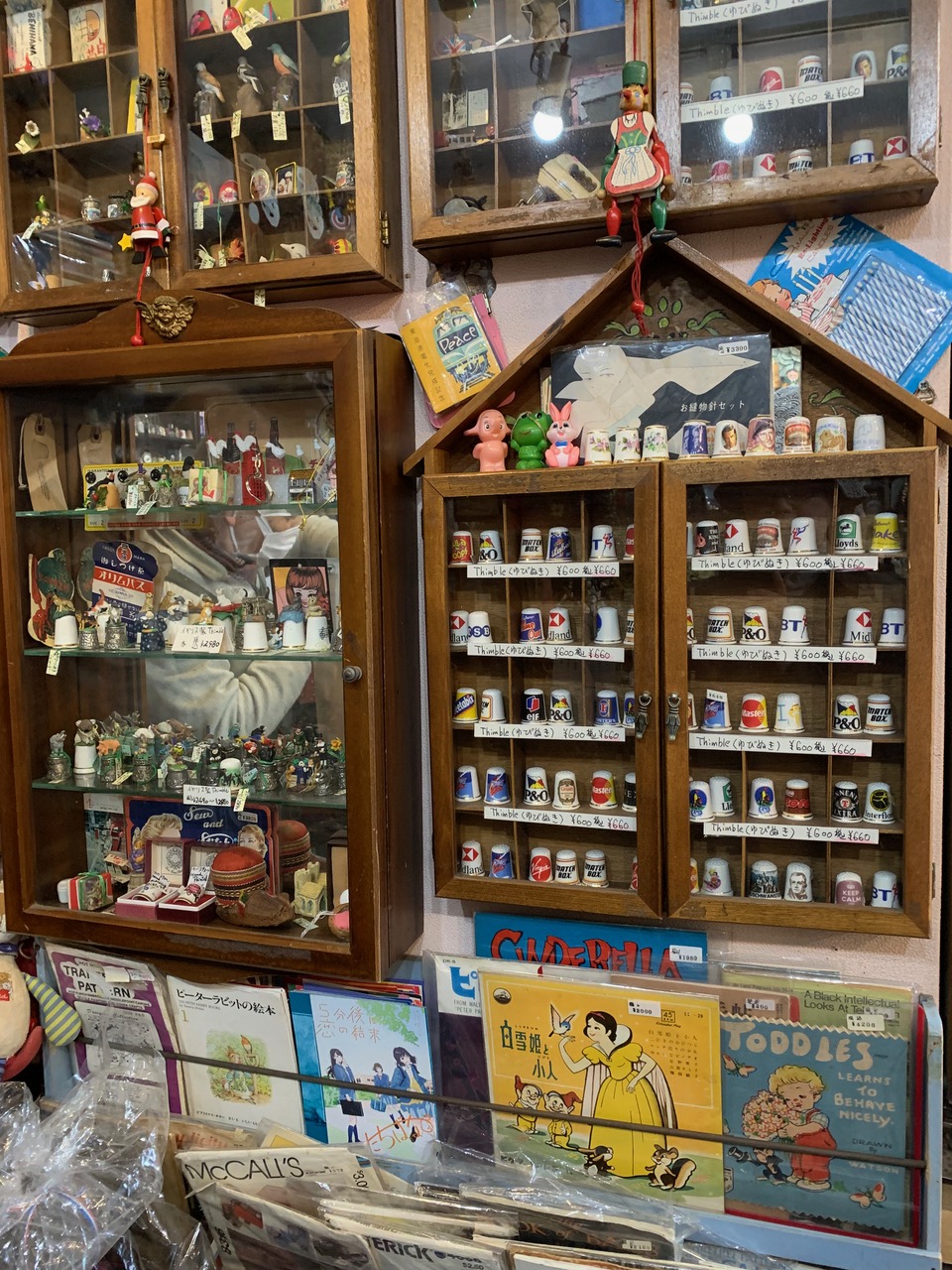
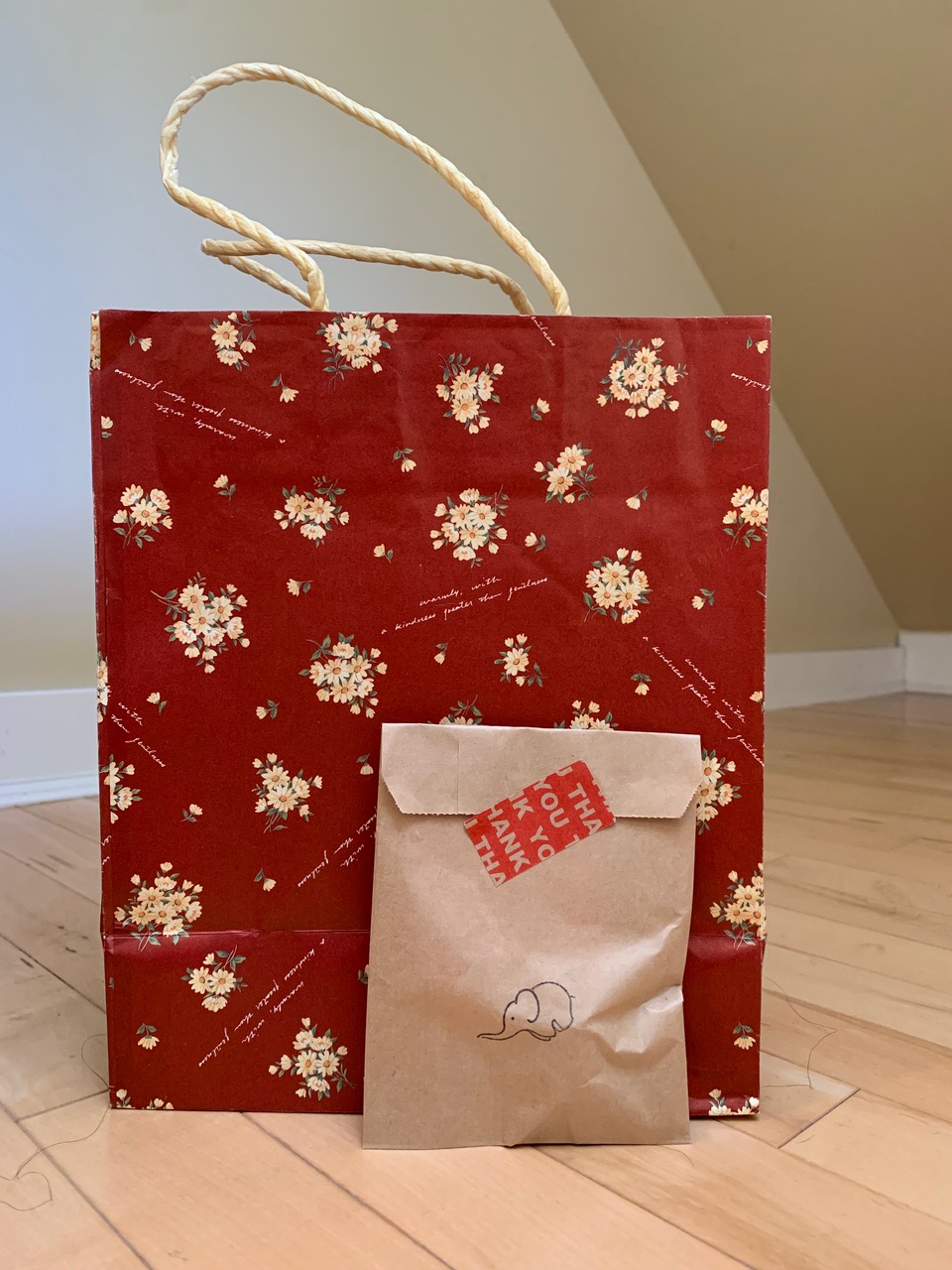
Eventually he handed me a quaint shopping bag. He said he added a gift for me—a thimble. (I’d seen his showcase of collectible thimbles and, although I’ve never used one, I was delighted to receive it.)
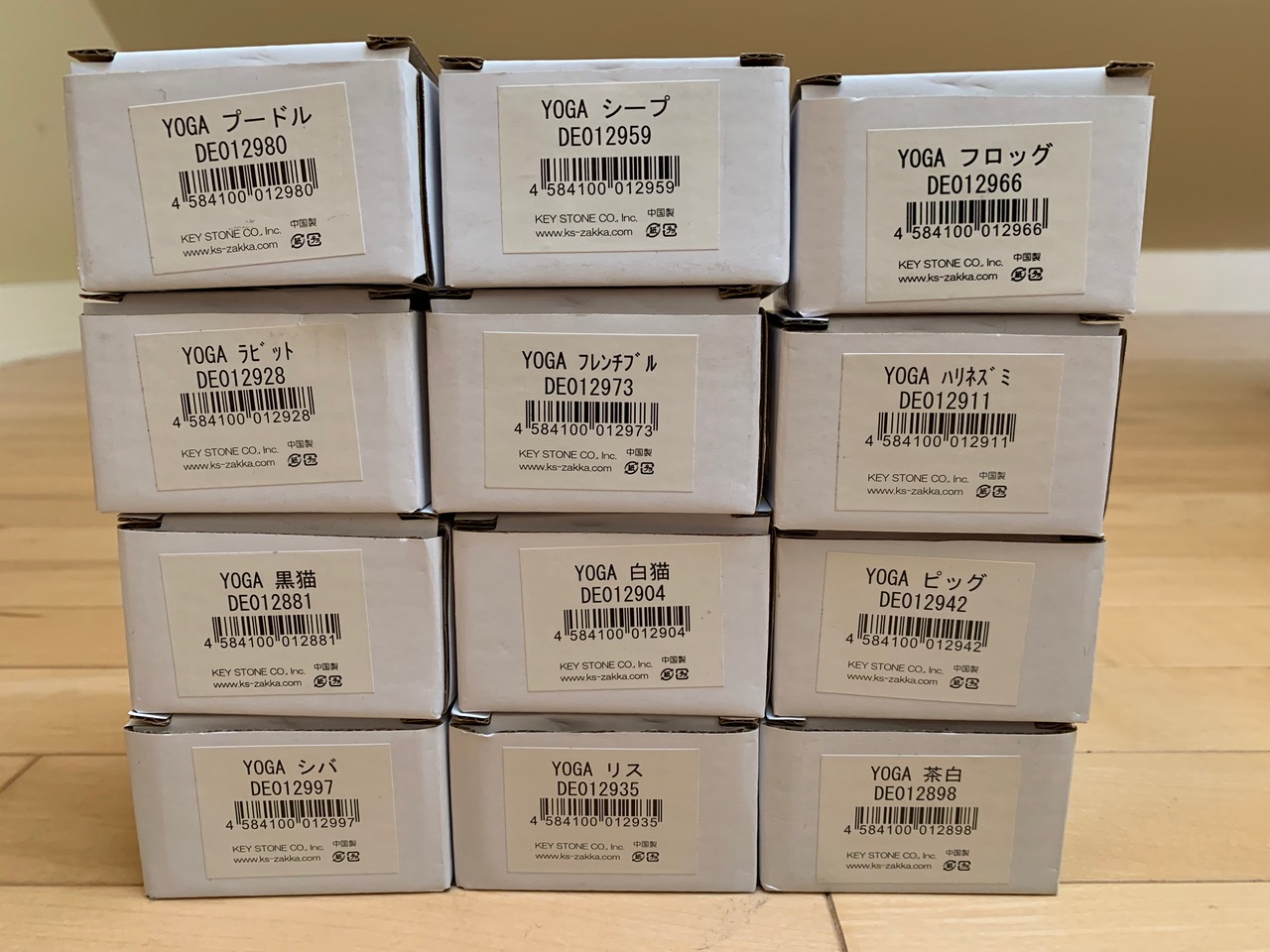
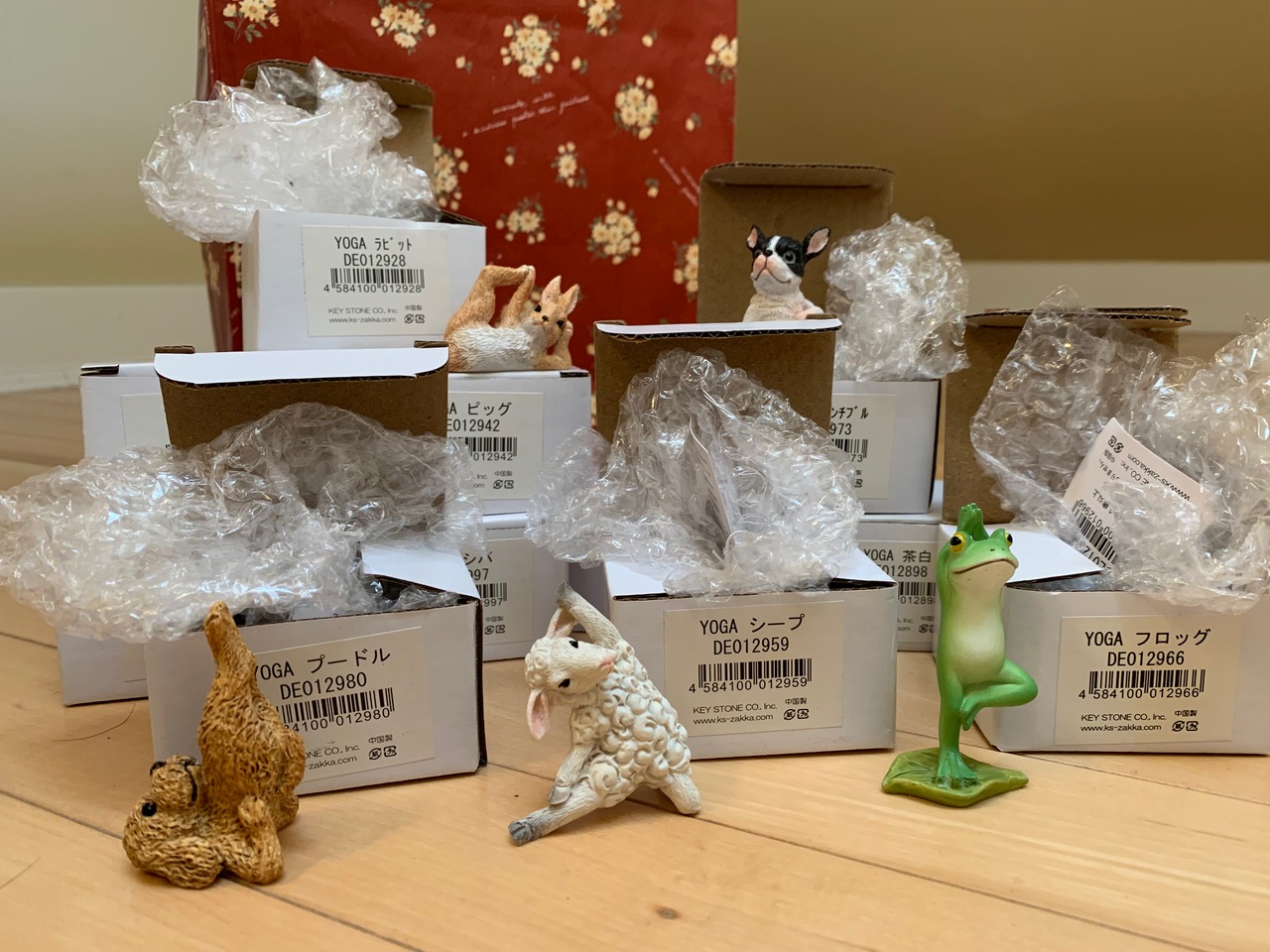
Later, I peered into the shopping bag and found a brown sack containing twelve boxes. He’d wrapped up each animal in its specific box, labeled by animal type. His meticulous care made me appreciate the animals even more!
Now, three months later, I’m wondering what to do with my little yoga troupe. Display them on my bookshelves? Scatter them around my yoga room? Unbox only one at a time? Iranmono often end up this way.
But I don’t regret buying them. That random alley. That fascinating shop (the only one open so early on Sunday!). That polite, dapper shopkeeper. My yoga animals will always remind me of Kamakura one rainy morning in April 2025.

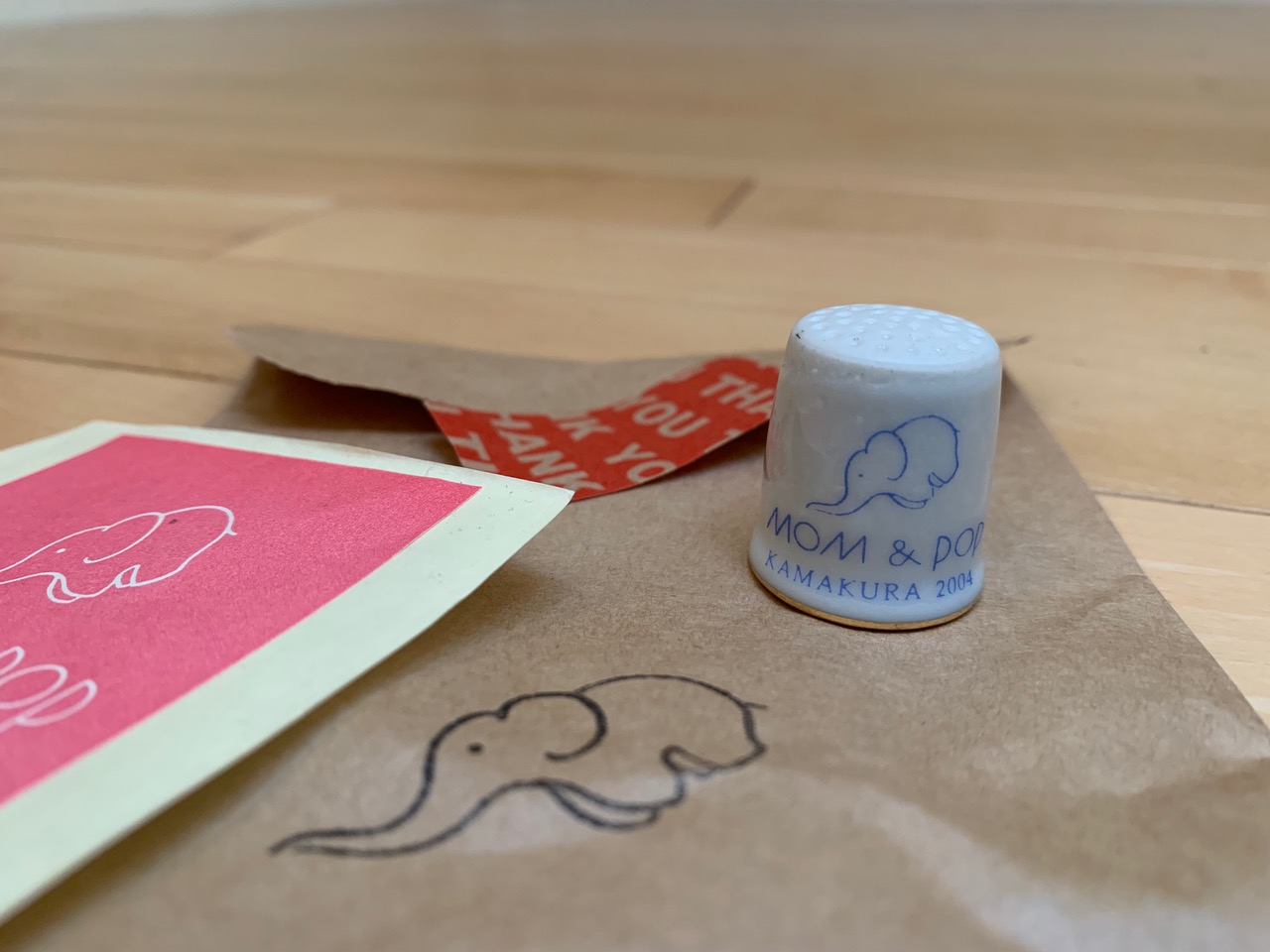
Images: Mom & Pop, Kamakura, April 2025, Luci Yamamoto.


 Yoga Spy
Leave a reply to Susan Cancel reply